I was selected as one of 20 artists from 763 international entries for the Google Pixel x KPN x Rijksmuseum AI Art Competition. The first question almost everyone asks isn't about the work itself. It's: "So did AI make it?"
That question tells you everything about where the conversation around AI art currently sits. People want to know if the human was involved or if the machine did the work. It's the wrong question. But it's the one that keeps coming up, so let me answer it properly.
What I actually made
The competition asked artists to respond to a work from the Rijksmuseum collection using AI. I chose Karel Appel's Square Man as my reference point: a figure trapped in a brutalist world, all hard edges and concrete geometry.
My response, Go Within, asks what happens when that figure stops fighting the structure and turns inward instead. Appel and the CoBrA movement used instinct and raw colour to resist the post-war machine. Go Within continues that impulse, using AI to push the figure beyond the brutalist frame and toward something more human.
The work will be shown for one night at the Rijksmuseum in Amsterdam, then for two weeks at Gallery Mina. You can see Go Within and the rest of my AI work here.
None of that came from typing a prompt and hitting generate. It came from decisions. Hundreds of them.
What's the right question to ask about AI and art?
Not "did AI make it?" — that frames the conversation as human versus machine. The more useful question is whether an artist used AI to make something that matters.
"Did AI make it?" frames the conversation as human versus machine. It assumes one or the other is doing the work. That framing misses what's actually happening.
AI generated options. I made choices. That's the difference between output and work.
Every AI piece I've made started with a lifetime of creative practice. The inputs are informed by over three decades of understanding colour, composition, spatial relationships, and what holds someone's attention in a physical space. The outputs are curated by the same instinct. Nothing is accidental.
The machine doesn't know what's worth keeping. It doesn't understand why one variation resonates and another falls flat. It can't feel whether a piece belongs in a specific context. That editorial instinct is the art. The generation is just the raw material.
What does AI actually do in a creative process?
AI generates options at speed. The artist decides which of those options has something worth developing. Generation is the raw material; editorial selection is the work.
I'll be specific, because vague talk about "collaborating with AI" doesn't help anyone.
AI lets me explore visual territory faster than my hand can move. I can test a compositional idea across fifty variations in the time it would take to sketch three. I can push colour relationships into places I wouldn't have reached on my own. I can see what happens when I take a physical painting concept and extend it beyond what paint on canvas allows.
What AI can't do: decide which of those fifty variations has something worth developing. It can't tell me which direction serves the concept I'm building toward. It can't understand that a piece needs to work in a 4-metre hotel corridor with afternoon light hitting it from the left. It can't account for the emotional register of a space.
Those decisions require context, taste, and intent. They require having spent years looking at art, making art, and understanding what happens when people encounter it in physical space. AI doesn't have any of that. I do.
Why dismissing it misses the point
Every significant new tool in art history got the same resistance. Photography was going to kill painting. Digital tools were going to make everything soulless. Printmaking was questioned as "real" art for decades.
The pattern is always the same: the tool is blamed for bad work, and the artists who use it with intent eventually define what it becomes.
The artists generating endless images without editing, without concept, without craft behind the prompts? They're producing output. That's not a problem with AI. That's a problem with skipping the hard part.
The hard part is knowing what to keep and what to discard. The hard part is having a reason to make the work in the first place. The hard part is the same as it's always been.
Where this sits in my practice
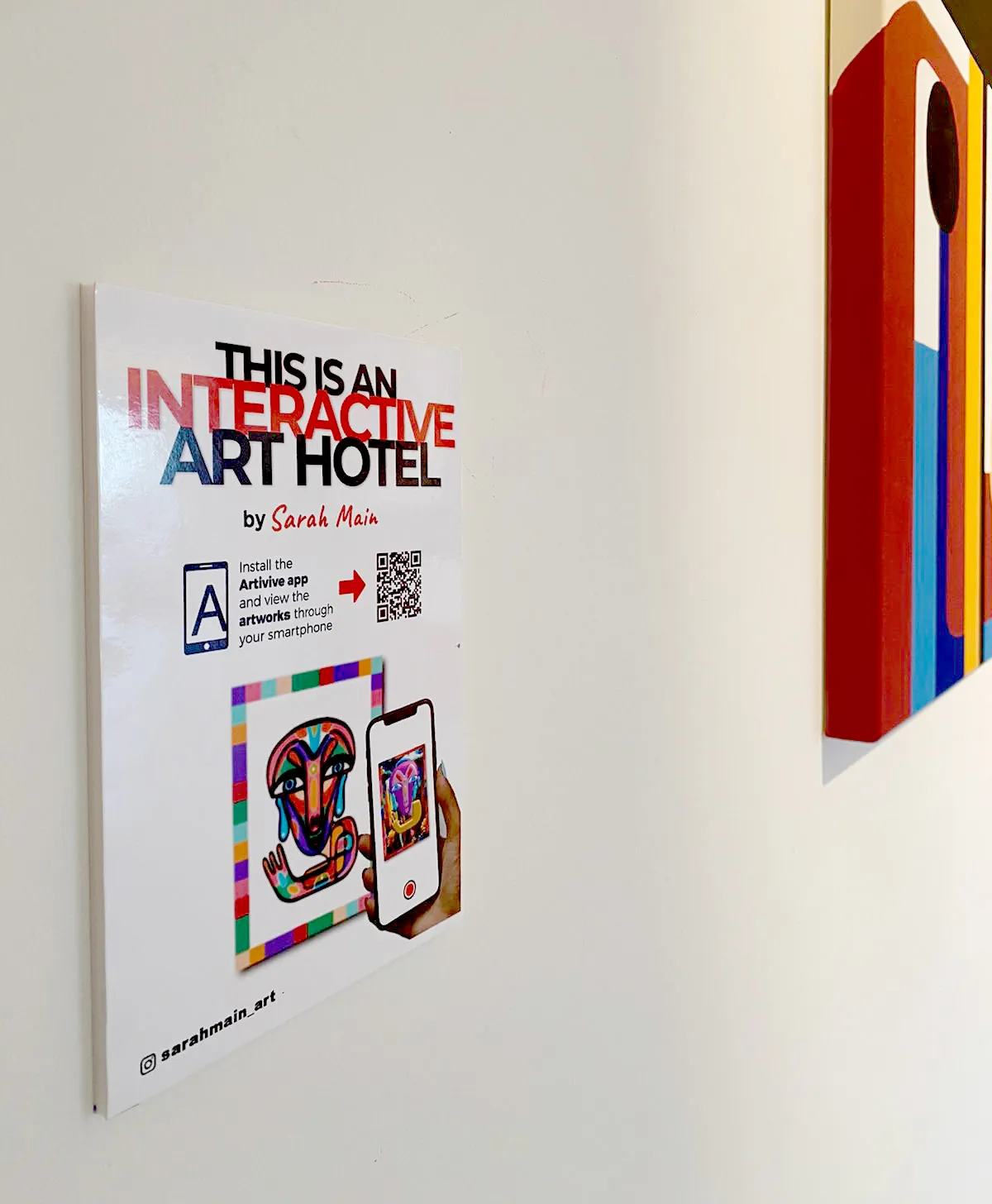
AI is one tool in a larger practice. I paint. I build AR activations. I design spatial sound. I create immersive installations for hotels, exhibitions, and private collectors. AI gives me another way into the work, not a replacement for the rest of it.
The Rijksmuseum selection validated something I already knew: that the interesting territory is where trained artistic instinct meets new technology. Not one or the other. Both, with intent.
The question isn't whether AI can make art. It can generate images. The question is whether an artist can use AI to make something that matters. That depends entirely on what the artist brings to it.
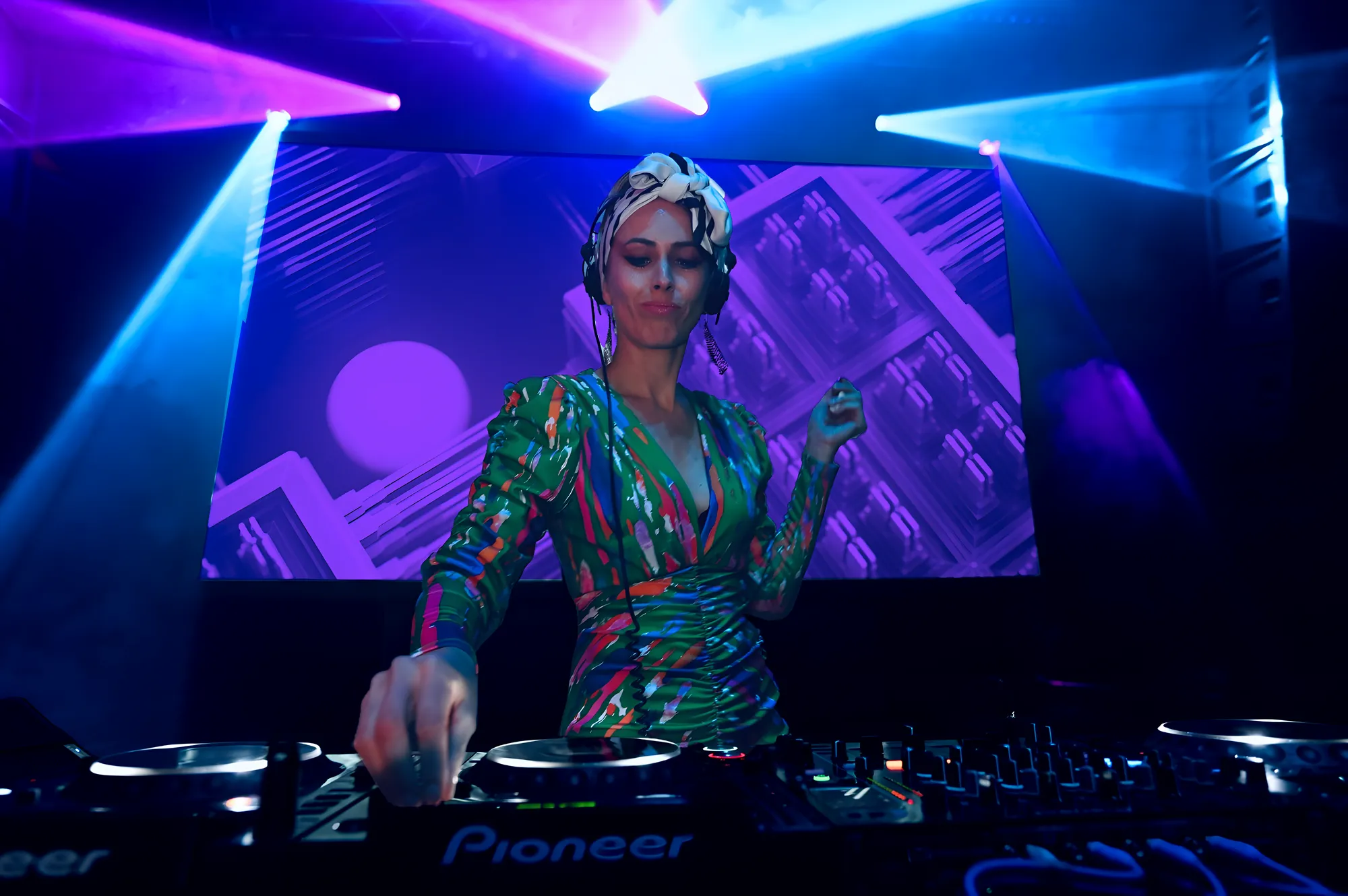
I bring a lifetime of creative practice, 14 years of reading rooms as a DJ, and a career built around making people stop and look. AI doesn't change that. It extends what I can do with it.